| Moolavar |
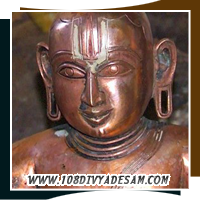
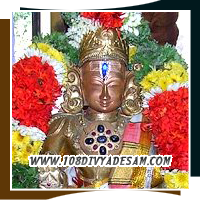
Vadivazhagiya Nambi blessing in HIs Bhujanga Sayanam Posture facing East. " Kidantha Thirukkolam " |
| Uthsavar |
Sundara Rajan |
Kshetram |
Trivenin Sangama Kshetram |
| Thayar |
Soundaryavalli / Azhagiyavalli |
Sthala Vimanam |
Tharaga Vimanam |
| Sthala Vriksham |
Thazhambu. |
Sthala Pushkarini |
Mandooha Theertham |
✨ Introduction to Thiru Anbil Vadivazhagiya Nambi Temple
Thiru Anbil Sree Vadivazhagiya Nambi Temple, a revered Divyadesam near Srirangam, is celebrated for Lord Vishnu’s Reclining posture on Adiseshan. Pilgrims visit to witness divine grace, serene surroundings, and architectural excellence. This Triveni Sangama Kshetram in Tamil Nadu attracts devotees seeking blessings and spiritual fulfillment.
✨ Location and Pilgrimage Significance
Located 22 km from Srirangam, Thiru Anbil Divyadesam is an essential stop in the Chola Nadu Vaishnavite pilgrimage circuit. Known for its historical and religious significance, the temple draws tourists and devotees interested in spiritual tours, Divyadesam exploration, and heritage architecture in Tamil Nadu.
✨ Presiding Deity – Vadivazhagiya Nambi in Bhujanga Sayanam
Lord Vadivazhagiya Nambi is enshrined in Bhujanga Sayanam (Reclining on Adiseshan) facing east. This posture reflects supreme tranquility, divine beauty, and protection. Devotees experience spiritual upliftment and mental peace while offering prayers, making the temple a unique Divyadesam for Vaishnavite worshippers.
✨ Goddess Azhagiyavalli Nachiyar and Shenbagavalli Thayar
Goddess Azhagiyavalli Nachiyar and Utsava Thayar Shenbagavalli bless devotees with prosperity, marital harmony, and spiritual growth. Separate sanctums for Thayar enhance the sanctity, allowing devotees to seek multiple divine blessings. Worshipping the goddess is believed to bring happiness, health, and family wellbeing.
|
✨ Temple Vimanam – Tharaga Vimanam
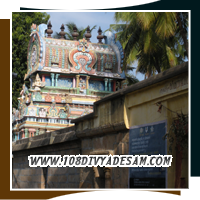
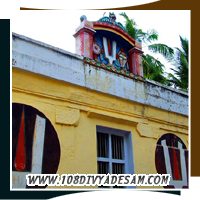
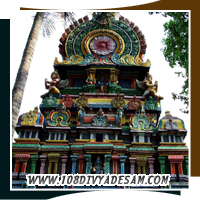
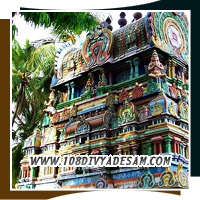
The Tharaga Vimanam above the sanctum is a stunning example of Dravidian architecture. Intricate carvings depict divine motifs and cosmic symbolism. Pilgrims admire its grandeur while seeking blessings from Vadivazhagiya Nambi, making it a central attraction for heritage, religious, and spiritual tourism.
✨ Sthala Vriksham – Thaazhambu Tree
The sacred Thaazhambu (Screw Pine) tree at the temple symbolizes longevity, prosperity, and divine protection. Pilgrims offer prayers and circumambulate around the tree, seeking blessings. This Sthala Vriksham adds ecological and spiritual value, enhancing Thiru Anbil’s prominence among Divyadesam temples.
✨ Theertham – Mandooga Pushkarani
The temple tank, Mandooga Pushkarani, holds historical and spiritual significance. Devotees perform ritual baths to cleanse sins, fulfill vows, and attain spiritual merit. This theertham commemorates Mandooga Maharishi’s penance, adding a layer of divine legend to the temple’s sacred landscape.
✨ Sanctum Sanctorum – Reclining Posture and Blessing Form
The Garbhagriha houses Vadivazhagiya Nambi in Bhujanga Sayanam with a blessing posture. The sanctum offers an immersive Vaishnavite experience, where devotees can feel divine presence, peace, and protection. Architectural precision ensures serene darshan and spiritual enrichment. |
 |
✨ Temple Architecture – Raja Gopuram and Mandapams
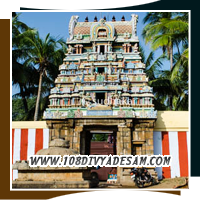
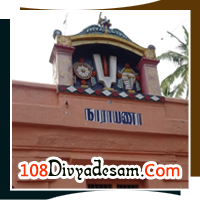
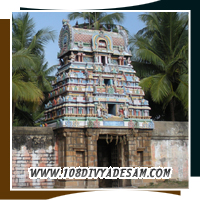
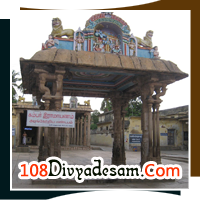
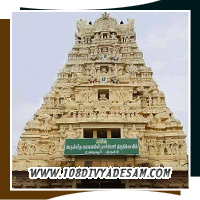
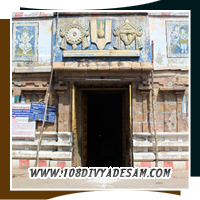
Thiru Anbil’s Raja Gopuram has a majestic three-tiered structure, adorned with exquisite carvings. The mandapams feature intricate sculptures depicting Vaishnavite legends. The architecture enhances spiritual ambiance, attracting devotees, heritage enthusiasts, and photographers exploring Tamil Nadu’s Temple Art.
✨ Speciality – Premapuri and Sundhara Swaroopa Darshan
The temple is revered as Premapuri, emphasizing the beauty and devotion in its deities. Vadivazhagiya Nambi and Thayar Azhagiyavalli Nachiyar’s Sundhara Swaroopa Darshan attracts devotees seeking divine aesthetics, peace, and blessings. Their presence symbolizes love, compassion, and divine grace in Tamil Vaishnavism.
✨ Historical Significance – Connection to Lord Brahma and Saint Valmiki
Thiru Anbil Divyadesam is linked to a debate between Lord Brahma and Saint Valmiki about Lord Vishnu’s beauty. Vishnu’s appearance in Sayana posture here establishes this temple as sacred. Devotees acknowledge its historical legends, enhancing faith, reverence, and participation in Chola Nadu temple tourism.
✨ Devotional Significance – Mangalasasanam by Thirumazhisai Alwar
Thirumazhisai Alwar praised Vadivazhagiya Nambi in one pasuram, highlighting the temple’s spiritual prominence. Devotees recite these verses during poojas, enhancing their devotional experience. The temple serves as a center for Vaishnavite literature, learning, and spiritual enrichment. |
 |
✨ Triveni Sangamam and Dakshina Gaya Tradition
Thiru Anbil is also worshipped as Triveni Sangamam as Kaveri, Savithri, and Phalguni rivers merge nearby, with two flowing underground. Known as Dakshina Gaya, devotees perform last rites and Sirartha rituals here. This feature elevates the temple’s religious significance and attracts pilgrims unable to visit Gaya in North India.
✨ Worshipping Benefits – Spiritual Upliftment and Blessings
Devotees visiting Thiru Anbil report blessings of mental peace, prosperity, longevity, and removal of obstacles. Worshipping Vadivazhagiya Nambi and Azhagiyavalli Nachiyar strengthens dharma, devotion, and positive karma. Pilgrims experience divine protection and spiritual growth through dedicated rituals.
✨ Prathyaksham to Alwars, Venugopalan, and Lakshmi Narasimhar
In addition to the presiding deity, devotees receive prathyaksham from 12 Alwars, Venugopalan, and Lakshmi Narasimhar. Sree Andal has a separate shrine. These divine manifestations enrich the spiritual experience, inspiring devotion, scholarship, and participation in Vaishnavite traditions.
✨ Daily Rituals and Pooja Practices
The temple observes Abhishekam, Alankaram, Deepa Aradhanai, and Naivedhyam daily. Rituals involve detailed offerings and mantras, allowing devotees to participate and receive blessings. Regular poojas maintain the sanctity, spiritual energy, and communal religious engagement at Thiru Anbil Divyadesam. |
 |
✨ Festivals and Vaishnavite Celebrations
Thiru Anbil hosts annual festivals such as Vaikunta Ekadasi and Brahmotsavams, attracting thousands of pilgrims. Processions, hymns, and cultural performances celebrate Lord Vishnu’s glory. Festivals highlight the temple’s living traditions, strengthening its position in Tamil Nadu’s Vaishnavite tourism circuit.
✨ Architectural Highlights – Sculptures and Artistic Marvels
The temple features intricate sculptures of Vaishnavite legends, divinities, and celestial motifs. Mandapams and walls showcase Chola artistry and craftsmanship. Pilgrims and tourists explore these features to appreciate Tamil heritage, ancient architecture, and the spiritual ambiance woven into Thiru Anbil’s structure.
✨ Temple Tank Rituals – Mandooga Theertham
Mandooga Pushkarani is associated with Mandooga Maharishi’s penance. Bathing here is believed to cleanse sins and grant spiritual merit. Devotees participate in rituals with faith, experiencing divine blessings, purification, and a connection with sacred legends of Thiru Anbil Divyadesam.
✨ Legends of Mandooga Maharishi and Divine Grace
Mandooga Maharishi performed penance to regain human form after a curse. Lord Vishnu’s grace in the temple liberated him, exemplifying the power of devotion. Pilgrims reflect on these legends, reinforcing faith, hope, and dedication to spiritual practice in daily life. |
 |
✨ Eastern and Western Divisions – Keezh Anbil & Mel Anbil
Anbil is divided into Keezh Anbil (Siva Sthalam) and Mel Anbil (Vishnu Sthalam). This co-existence emphasizes harmony between Vaishnavites and Saivites. Devotees experience shared sacred spaces, reflecting the unity of Hindu traditions, making Thiru Anbil an inclusive and spiritually rich pilgrimage site.
✨ Pilgrim Experience – Spiritual and Cultural Enrichment
Visitors enjoy darshan, rituals, and serene surroundings. The temple offers insights into Vaishnavite philosophy, Dravidian architecture, and divine legends. Pilgrims report inner peace, rejuvenation, and a sense of cultural connection, making it a significant spiritual and heritage tourism destination.
✨ Tourism Insights – Heritage and Religious Significance
Thiru Anbil Vadivazhagiya Nambi Temple is a major heritage site with architectural, spiritual, and scenic appeal. It attracts devotees, cultural tourists, and heritage enthusiasts. The temple’s legends, sculptures, Vimanam, and theertham provide a holistic spiritual and cultural experience in Chola Nadu Divyadesam tours.
✨ Eternal Grace – Thiru Anbil Vadivazhagiya Nambi Temple
Thiru Anbil continues to bless devotees with spiritual, mental, and material prosperity. The sanctums, Vimanam, Pushkarani, and divine presence provide an immersive experience. Pilgrims leave with fulfillment, reinforcing Thiru Anbil Vadivazhagiya Nambi Temple’s importance in Tamil Nadu’s sacred Vaishnavite landscape. |
 |
| |
Explore Other ( 5 ) Divyadesams in Trichy along with Thiru Anbil Divyadesam for a Enriching Vaishnavite Yatra |
| |
Embark on a Divine Journey with Our Tailor-Made Divyadesam Pilgrimage Tours Across South India’s Holy Temples |
| |
|