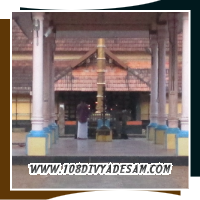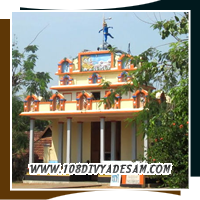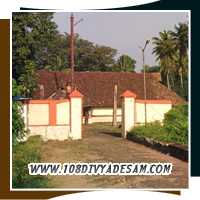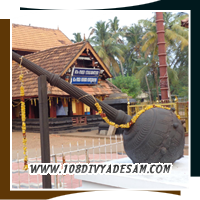
| Moolavar |
Paambanayappan blessing in HIS Standing Posture facing towards West. " Nindra Thirukkolam ". |
| Thayar |
Kamalavalli Nachiyar |
Sthala Vimanam |
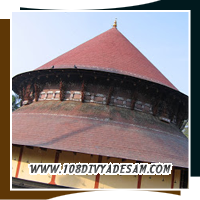
Vedhalaya / Sahala Vedha Vimanam |
| Kshetram |
Nakula Kshetram - Pandava Temple |
Sthala Pushkarini |
Paapanasa Theertham & Pampa River |
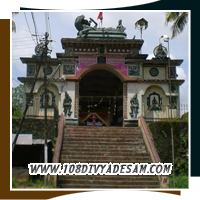
| The Kalinga Nardhanar with Dasavatharam carvings on the Western Entrance Pillars is truly mesmerizing and a must-see here. |
| At Thiruvanvandoor, Naradha’s Penance earned Lord Vishnu’s vision, inspiring him to Compose the Sacred Naradheeya Puranam. |
Thiruvanvandoor Paambanayappan Temple – Nakulan - Pancha Pandava Kshetram in Kerala
✨ Overview of Thiruvanvandoor Divyadesam
Thiruvanvandoor Divyadesam, popularly known as Paambanayappan Temple, is a sacred pilgrimage site located just 10 KM from Chengannur in Kerala. This ancient temple is one of the Pancha Pandava Kshetrams, built by Nakulan, the younger brother of Pandavas. Pilgrims visiting Kerala often include this temple in Spiritual Tours for its historic, religious, and cultural significance.
✨ Main Deities – Paambanayappan and Kamalavalli Nachiyar
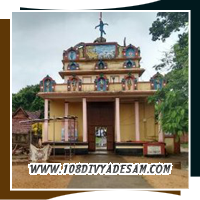
The main deity, Moolavar Paambanayappan, blesses in HIS Majestic Standing Posture facing West, holding HIS Sacred Conch (Shankha) and Discus (Chakra). The temple attracts thousands of devotees every year seeking blessings for prosperity, health, and spiritual growth. Its unique Kerala-style circular sanctum, combined with Sahalavedha Vimanam, makes it an architectural marvel and a must-visit destination for travelers who explore Kerala for the rich Divyadesam Heritage.
The presiding deity, Paambanayappan, is worshipped along with his consort, Kamalavalli Nachiyar. Devotees also find sub-shrines for other deities inside the temple complex. The sanctum sanctorum is designed in a traditional Kerala circular style. The temple features sacred ponds like Papanasa Pushkarini and the flowing Pampa River, adding to the Spiritual Atmosphere.
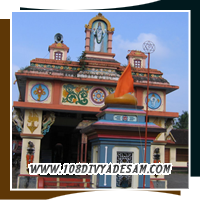
The western entrance showcases an exquisite Kaalinga Nardhanar Sculpture, considered one of the temple’s unique highlights. Devotees and tourists alike are mesmerized by the detailed carvings depicting the Dasavatharam and various mythological stories. The temple’s structure, ponds, and architecture make it ideal for spiritual photography, making it a top choice for Kerala Divyadesam Tours.
✨ Historical Significance and Legends
Thiruvanvandoor Paambanayappan Temple is steeped in history and spiritual significance. Built by Nakulan of the Pancha Pandavas, the temple holds immense religious importance in Kerala. It is praised in Nammalwar’s pasurams for the dark-hued Lord with reddish lips, lotus-like eyes, and sacred feet. The temple’s existence is also linked to the legends of Margandeya Mahirishi and other sages.
It has witnessed multiple renovations and restorations over centuries, making it a symbol of Kerala’s rich temple heritage. Visitors gain a deep insight into the spiritual traditions of the region and the devotion of ancient devotees, connecting mythology with the present-day temple culture, typical kerala rituals, festivals, architectural grandeur, and sacred religious practices followed by the devotees. |
 |
✨ Naradheeya Puranam and Spiritual Importance - Naradheeya Puranam Legend
According to legends, Naradha Mahirishi, cursed by Lord Brahma, wandered the world seeking peace. He performed intense penance at Thiruvanvandoor and was blessed with the Prathyaksham of Lord Maha Vishnu. Delighted by the holy vision, Naradha Mahirishi composed 25,000 granthas detailing methods of worshipping Sreeman Narayanan, known as "Naradheeya Puranam".
✨ Iconography, Sculptures, and Murals
Devotees visiting the temple today can see the mystical Kaalinga Nardhanar sculpture with Dasavatharam depictions at the western entrance, which mesmerizes every visitor. The temple is celebrated for both its spiritual significance and its rich collection of mythological art, making it a unique cultural and pilgrimage destination in Kerala.
✨ Temple Architecture and Sanctum Sanctorum
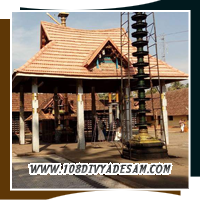
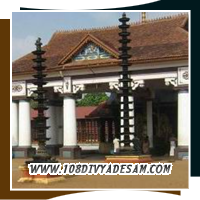
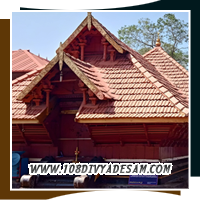
The temple is a classic example of Kerala-style architecture. The circular sanctum sanctorum is surrounded by a pillared corridor adorned with sculptures and carvings depicting stories from the Puranas. The Sahalavedha Vimanam tower adds a divine aura to the temple. Visitors can see the scenic Pampa River flowing beside the temple, enhancing its serene ambience.
The temple’s architecture, combined with its sacred ponds and lush surroundings, provides a peaceful retreat for pilgrims and travelers. The circular design is typical of Kerala temples, making it a noteworthy site for enthusiasts of traditional Indian temple architecture.
|
 |
✨ Nakulan Connection & Pancha Pandava Kshetram
Thiruvanvandoor Temple is one of the Pancha Pandava Kshetrams, associated specifically with Nakulan. Nakulan, the younger Pandava brother, have installed the main idol and performed penance here after the Mahabharata war. The temple thus holds a special place in the hearts of devotees who follow the Pandava lineage legends.
Pilgrims often include this temple in Kerala Divyadesam Tours, exploring the spiritual trail of the Pancha Pandava temples. The temple’s connection to Nakulan emphasizes its importance in Hindu mythology and makes it a must-visit for spiritual seekers.
✨ Temple Rituals and Daily Poojas
Daily rituals at Paambanayappan Temple follow the traditional Kerala temple customs. Devotees can witness elaborate poojas and offerings to Moolavar Paambanayappan and Thayar Kamalavalli Nachiyar. Special festivals like Vaikunta Ekadasi and Brahmotsavam attract thousands of visitors. The temple also hosts unique offerings and ceremonial rituals along the Pampa River.
Pilgrims believe that worshipping here brings spiritual merit, health, prosperity, and protection from negative forces. Visitors can participate in these rituals, gaining a deeper understanding of Kerala’s temple traditions.
✨ Paragraph 8 – Iconography & Murals
The temple houses exceptional sculptures and murals depicting Hindu epics, including Dasavatharam. The Kaalinga Nardhanar sculpture at the western entrance is particularly famous for its intricate design and spiritual significance. Devotees can also explore smaller shrines dedicated to other deities.
The temple art provides insight into Kerala’s rich cultural heritage and traditional temple artistry. Photography enthusiasts and pilgrims appreciate the detailed work on the pillars, walls, and ceilings, which combine spiritual significance with artistic excellence.
|
 |
✨ Sacred Water Bodies – Papanasa Pushkarini and Pampa River
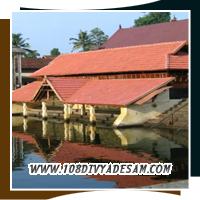
Thiruvanvandoor Temple features sacred water bodies including the Papanasa Pushkarini and the Pampa River. These holy ponds are used for ritual purification and offer a tranquil environment for meditation. Devotees perform sacred baths and rituals to cleanse themselves spiritually before entering the sanctum.
The Pushkarinis also serve as picturesque spots for photography, attracting tourists interested in temple architecture and spiritual travel. Pilgrims believe these waters have healing properties and enhance the power of prayers offered at the temple.
✨ Pilgrimage and Tourism Highlights
As one of the Pancha Pandava Kshetrams, Thiruvanvandoor Paambanayappan Temple is a key destination for Spiritual Tourism in Keral. Pilgrims from across India visit to seek blessings and perform rituals. The temple is often included in Cultural Tours and Divyadesam Yatra Packages, connecting it with other famous temples of Kerala.
The serene natural surroundings, sacred ponds, and historic architecture provide a complete spiritual and cultural experience. Visiting this temple allows tourists to combine pilgrimage with Kerala sightseeing, making it a holistic travel experience.
|
 |
✨ Festivals and Cultural Celebrations
The temple celebrates major festivals such as Vaikunta Ekadasi, Brahmotsavam, and Nakulan Jayanti with grandeur. Devotees gather for special poojas, processions, and cultural events during these festivals. Traditional Kerala rituals, music, and dance performances are part of the celebrations. Visitors can witness the vibrant cultural heritage and join in spiritual festivities.
These festivals also offer photography opportunities for tourists and highlight the temple’s significance in preserving Kerala’s spiritual and cultural traditions.
✨ Tips for Visiting Thiruvanvandoor Temple - Nearby Attractions and Spiritual Trails
Visitors to Thiruvanvandoor Paambanayappan Temple can plan a full-day spiritual tour from Chengannur. Nearby attractions include other Pancha Pandava Kshetrams, scenic backwaters, and cultural landmarks. Devotees are advised to follow strictly to the temple customs, dress modestly, and participate in rituals with devotion.
The serene environment, unique Kerala temple architecture, sacred ponds, and historic significance make it a must-visit destination. Travelers of Spiritual Tourism, Cultural Heritage, and Divyadesam Yatras will find this temple a memorable and enriching experience. |
 |
| |
Discover the Rich Heritage of Thiruvanvandoor Divyadesam and Sacred Malai Nadu Divyadesams on Your Temple Tour. |
| |
|
| 01 |
Thiruvalla Divyadesam - Thiruvaazhmaarban Temple. Blessing in His Grand Standing Posture facing East. " Sree Vallabha Temple ". |
| 02 |
Thrickodithanam Divyadesam - Arpuda Narayana Swamy Temple. "One of Pancha Pandava Kshetrams". Worshipped by "Sahadeva". |
| 03 |
Thiruvaranvilai Divyadesam - Aranmula Sree Parthasarathy Perumal Temple. " Pancha Pandava Kshetram " . Worshipped by Arjuna. |
| 04 |
Thiruchenkundrur Divyadesam - Thrichittatt Imayavaramban Temple. "Pancha Pandava Kshetram". Worshipped by "Dharma Rajan". |
| 05 |
Thirupuliyoor Divyadesam - Puliyur Mahavishnu Temple. Kuttanadu. "One of Pancha Pandava Kshetrams ". Worshipped by Bheema. |
| |
|
Kottayam Mahadevar Temples along with 13 Malai Nadu Divyadesams in an Additional 1 Night and 1 Day Yatra |
| |
| 01 |
Mavelikkara - Where Sree Krishna is blessing with Both HIS Hnds Reaching Out for Butter, embodying " Navaneetha Krishna form '. |
| 02 |
Ambalappuzha Sree Krishna Swamy Temple, Where Moolavar is Blessing as Navaneedhan Holding a Butter Ball in HIS Right Hand. |
| 03 |
Vaikom Siva Temple - Moolavar is Blessing in HIS 3 Forms as Dhakshina Murthy, Kiratha Murthy & Sakthi Murthy. " Dakshina Kasi ". |
| 04 |
Ettumanoor Temple - Moolavar is Blessing as Mahadevar. One of the 3 Siva Temples Installed and Worshipped by ' Khara Mahirishi ". |
| 05 |
Kaduthuruthy Mahadevar Temple - Dharshan together with Vaikom and Ettumanoor Rremoves all Sins. " Paapavinashini Kshetram ". |
| |
|
 |
 |
 |
 |
 |
Mavelikkara |
Ambalappuzha |
Vaikom |
Ettumanoor |
Kaduthuruthy |
Experience a Seamless South India Pilgrimage with our Customizable Divyadesam Temple Tour Packages |
| |
|
|
|
|