| Moolavar |
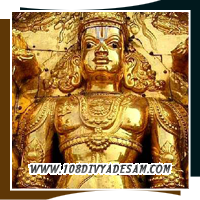
Sree Anandha Padmanaba Swamy blesing in HIS Bhujanga Sayanam on Adisheshan facing towards East |
| perumal - Uthsavar |
Madhavan |
Puranam |
Brahmanda Puranam |
| Thayar |
Sree Hari Lakshmi Nachiyar |
Sthala Vimanam |
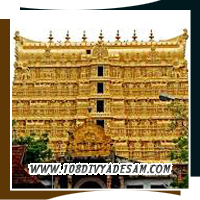
Hema Kooda Vimanam |
| Sthala Pushkarini |
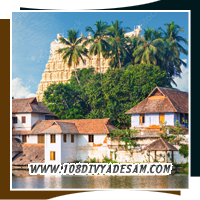
Matsaya Theertham , Varaha Theertham and Padma Theertham
|
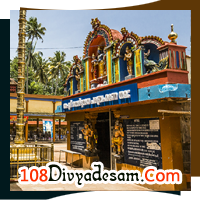
| Trivandrum Sanctum Sanctorum is a Small Room with Three Doorways. Darshan can be had by standing on the Muha Mandapam. |
| His Holy Face to be worshipped throught the Door on Southern Side and His Holy Feet through Northern Side Door. |
| His Nabhikamalam ( Lord Brahma Devar on lotus ) to be worshipped through the Door Way in the Middle. |
Thiruvanandhapuram Divyadesam – Trivandrum Sree Anantha Padmanabha Swamy Temple
✨ Introduction to Thiruvananthapuram Divyadesam - Sacred Legend of Anantha Padmanabha Swamy at Trivandrum
Thiruvananthapuram Divyadesam, home to the famous Sree Anantha Padmanabha Swamy Temple, is one of the most sacred pilgrimage destinations in India. Located in Kerala’s capital city, this temple is a prominent Divyadesam and a must-visit for devotees of Lord Vishnu. The deity here, Lord Anantha Padmanabha Swamy, blesses devotees in HIS Grand Bhujanga Sayana Posture, reclining gracefully on the Mighty Serpent Adisheshan and Facing East.
✨ Thiruvananthapuram Divyadesam – Kerala’s Iconic Sree Anantha Padmanabha Swamy Temple
This temple is a fine example of Kerala’s rich temple architecture combined with deep spiritual significance. Every year, thousands of pilgrims and tourists come here to seek blessings and admire the intricate carvings, golden domes, and sacred ponds. With its history rooted in ancient scriptures and hymned by Nammalwar, this temple is not just a place of worship but also a center of cultural heritage. Visiting Thiruvananthapuram Divyadesam is a soul-enriching experience for both devotees and history enthusiasts.
✨ Unique Bhujanga Sayanam Darshan Through Three Doorways - The Unique Darshan Experience
One of the most remarkable features of Sree Anantha Padmanabha Swamy Temple is its unique darshan system. The sanctum sanctorum is a small room with three separate doorways, each offering a different view of the Lord. Standing on the Muhamandapam, devotees can have darshan of the Lord’s divine face through the southern doorway, HIS Sacred Feet through the northern doorway, and HIS Nabhikamalam (navel) through the central doorway.
✨ Unique Idol of Lord Anantha Padmanabhan Crafted from Sacred Salagramams
This distinct arrangement symbolizes that the divine can be experienced in parts, each aspect holding its own spiritual significance. The statue of the main deity, Anandha Padmanabhan, is crafted from 12,000 Sacred Salagramams, making it one of the most unique and powerful idols in Hinduism. This extraordinary form and darshan style draw devotees from across India and abroad, eager to witness this rare form of Lord Vishnu. Pilgrims often describe the darshan here as both humbling and spiritually uplifting.
✨ History of Bilvamangala Swamigal and Anantha Padmanabha Swamy - The Legend of Bilvamangala Swamigal
The history of Thiruvananthapuram Divyadesam is deeply connected to the Sage Bilvamangala Swamigal. Known for his intense devotion to Lord Vishnu, the sage once encountered a divine child who disturbed his daily pooja rituals. Annoyed, the sage struck the child, who then ran away. Chasing him, the sage reached a forest known as “Anandhankadu.” There, he heard the sound of anklets but could not see the child. Suddenly, an iluppa tree fell, revealing the divine presence of Lord Anantha Padmanabha. |
 |
✨ Lord Anantha Padmanabhan’s Grand Reclining Form Across Trivandrum Region
In a grand and extensive form, the Lord lay on Adisheshan, HIS Holy Body stretching across different locations. His Face was in Thiruvallam (8 km from Trivandrum), HIS Feet in Thirupappur (12 km away), and HIS Central Body in Trivandrum. Overwhelmed, Bilvamangala Swamigal prayed to see the Lord in a smaller form so that he could perform daily poojas. The Lord granted his wish, allowing worship in a compact yet equally divine form.
✨ Rituals and Naivedyam Tradition at Thiruvanandhapuram Divyadesam - Sacred Offering Tradition
The temple has preserved a unique offering tradition that originated from the Sage Bilvamangala Swamigal’s devotion. With limited resources in the forest, the sage used to offer rice kanji (porridge) and salted mango pieces in a coconut shell as naivedyam (offering) to the Lord. To honor this historical event, even today, the temple continues this practice. Devotees visiting the temple can witness this sacred offering being made every morning.
✨ Naivedyam Tradition – Spiritual Significance of Devotional Offerings
The simplicity of this naivedyam reflects the idea that devotion matters more than grandeur. Pilgrims often consider it a blessing to taste the prasadam, as it is to carry the grace of Lord Anantha Padmanabha Himself. This centuries-old tradition sets the temple apart from many others in India and adds to its charm as a pilgrimage destination. For those seeking authentic spiritual experiences, participating in this offering is a cherished opportunity.
✨ Temple Architecture and Hemakooda Vimanam Beauty - The Temple’s Divine Architecture
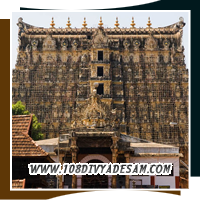
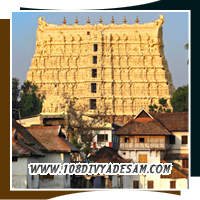
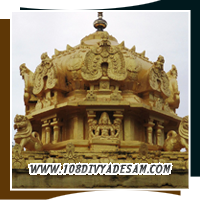
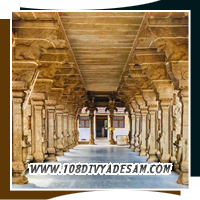
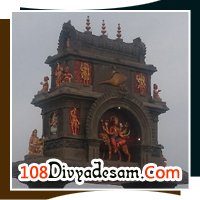
Sree Anantha Padmanabha Swamy Temple is a masterpiece of Kerala temple architecture blended with Dravidian influences. The temple’s vimanam, called Hemakooda Vimanam, gleams beautifully under the sun. The massive stone walls, intricate carvings, and towering gopuram reflect the craftsmanship of ancient artisans. Inside, the murals and woodwork depict various episodes from Hindu epics like the Ramayana and Mahabharata.
✨ Bhujanga Sayana Posture – Serenity and Architectural Splendor of the Temple
The idol of Lord Anantha Padmanabha in Bhujanga Sayana Posture stretches across the sanctum, with each section visible through a different doorway. The temple complex also houses shrines for other deities, adding to its spiritual completeness. The serene atmosphere, combined with the faint fragrance of sandalwood and incense, creates an environment that fills visitors with peace. Tourists and photographers often find this temple an architectural treasure that captures the essence of South Indian heritage.
|
 |
✨ Holy Theerthams – Matsya, Padma, and Varaha Sacred Ponds - Sacred Theerthams of the Temple
The Thiruvananthapuram Divyadesam is with three sacred theerthams (temple ponds) – Matsya Theertham, Padma Theertham, and Varaha Theertham. Each of these holy water bodies is associated with different legends and spiritual benefits. Pilgrims taking a dip, the holy bath, in these theerthams before entering the temple purifies the body and mind, preparing them for divine darshan.
✨ Sacred Theerthams – Matsya, Padma, and Varaha Theertham for Pilgrims
Matsya Theertham is linked to the Matsya Avatar of Lord Vishnu, Padma Theertham to the lotus symbol of creation, and Varaha Theertham to the Varaha Avatar. These ponds are also home to rare aquatic life, adding to their uniqueness. Devotees often collect water from these theerthams as sacred blessings to carry home. The peaceful surroundings of these ponds provide a perfect spot for meditation and reflection, making them an integral part of the temple visit.
✨ Connection to the Divya Prabandham
The temple holds a special place in Vaishnavite tradition as it has been glorified in the Tamil hymns of Nammalwar. He described the divine beauty and spiritual power of Lord Anantha Padmanabha Swamy in his works, making this temple a Prominent Divyadesam.
✨ Connection to Divya Prabandham – Tamil Hymns and Vaishnavite Heritage
These verses are still recited during special poojas and festivals, preserving the link between the temple and the Tamil devotional heritage. This connection to the Divya Prabandham reinforces the temple’s importance in South Indian Pilgrimage circuits. It is a place where the rich traditions of Kerala and Tamil Vaishnavism come together in harmony. For spiritual seekers, understanding these hymns adds depth to their temple experience.
✨ Festivals and Celebrations of Sree Anandha Padmanabha Swamy
The Sree Anantha Padmanabha Swamy Temple hosts many vibrant festivals that attract devotees and tourists from all over the world. The Alpashy festival in October-November and the Painkuni festival in March-April are among the grandest celebrations here. These festivals feature traditional Kerala temple arts, processions with caparisoned elephants, and elaborate rituals that showcase the temple’s grandeur.
|
 |
✨ Festivals and Cultural Poojas – Vibrant Temple Celebrations in Trivandrum
The rituals often include Vedic chants, cultural performances, and special poojas to the deity. During these festivals, the temple premises are decorated with lamps and flowers, creating a mesmerizing sight. Pilgrims often plan their visit to coincide with these celebrations to witness the temple’s spiritual and cultural vibrance at its peak. The festive atmosphere offers a perfect blend of devotion and cultural tourism, making it a memorable experience for all.
✨ The Temple’s Wealth and Global Fame
Sree Anantha Padmanabha Swamy Temple gained worldwide attention when its hidden treasures were discovered in secret underground vaults. These treasures, consisting of gold, jewels, and ancient artifacts, are considered one of the largest collections of temple wealth in the world. While the riches add to the temple’s fame, the true value of the temple lies in its spiritual heritage and centuries-old traditions.
✨ Temple Treasures – History, Mystery, and Pilgrim Attraction
The discovery of the treasures has only increased the number of visitors, both devotees and curious travelers. However, the temple management ensures that the focus remains on worship and not just the wealth. This blend of mystery, history, and spirituality makes the temple a unique attraction for both pilgrims and history enthusiasts.
✨ Dress Code and Temple Etiquette
The temple follows a strict dress code that aligns with traditional customs. Men are required to wear mundu (a traditional white dhoti) without shirts, while women are expected to wear sarees or traditional attire. This dress code is a way of maintaining the sanctity of the temple and honoring age-old traditions. Photography is prohibited inside the temple to preserve its spiritual atmosphere.
✨ Temple Etiquette – Maintaining Silence and Respect During Worship
Devotees are also expected to maintain silence and respect the rituals being performed. These customs may seem unusual to first-time visitors, but they contribute to the authenticity of the temple experience. Understanding and following these rules ensures a smooth and respectful pilgrimage for everyone.
|
 |
✨ Best Time to Visit Trivandrum Anantha Padmanabha Swamy Temple
The best time to visit Thiruvananthapuram Divyadesam is during the cooler months from October to March. This period also coincides with major festivals, allowing visitors to experience the temple’s cultural richness. Early mornings are the most peaceful time for darshan, as the temple is less crowded, and the soft light enhances the beauty of the idol.
✨ Nearby Temples and Pilgrimage Attractions in Trivandrum
The Monsoon Season (June to September) adds a different charm, with lush greenery surrounding the temple. Many tourists combine their temple visit with exploring other attractions in Thiruvananthapuram, such as Kovalam Beach, Napier Museum, and Ponmudi Hills, making the trip spiritually and culturally fulfilling.
✨ Conclusion – A Pilgrimage Worth Taking
A visit to Thiruvananthapuram Divyadesam – Sree Anantha Padmanabha Swamy Temple is more than just a temple tour; it is a spiritual journey. From its grand deity reclining on Adisheshan to the sacred ponds and ancient traditions, every aspect of this temple speaks of divine grace. The legends of Bilvamangala Swamigal, the unique darshan through three doors, and the centuries-old offering traditions make this temple truly special.
✨ Pilgrimage Experience – Spiritual, Cultural, and Heritage Tourism
Whether a devotee seeking blessings, a history lover exploring heritage sites, or a traveler in search of cultural experiences, this temple offers it all. Thiruvananthapuram Divyadesam stands as a shining example of South India’s spiritual richness and architectural brilliance. It is a place where faith meets history, and every visitor leaves with a heart full of peace and devotion. |
 |
| |
Experience a Well-Planned Thiruvananthapuram Divyadesam Visit with effortless travel to the Surrounding Divyadesams |
| |
|
| 01 |
Thiruvanparisaram Divyadesam- Thirupathisaram Thiruvazhmarban Temple. Birth place of " NammAzhvaar’s mother Udayanangai ". |
| 02 |
Thiruvattaru Divyadesam - Adi Kesava Perumal Temple. An " Unique Gigantic Bhujanga Sayana Posture in South - North Direction ". |
| 03 |
Pazhavangadi Ganapathy, Lord Maha Ganapathy, blesses the devotees in HIS Rare Seated Posture with Right Leg Gracefully Folded. |
| 04 |
Attukal Bhagavathy Amman Temple, the Four-Armed Goddess holding Spear, Sword, Skull, and Shield. “Sabarimala for Women.” |
| 05 |
Chengal Maheswaram Sri Sivaparvathi Temple. World’s tallest 111 Feet Sivalingam, featuring " 108 Lingas " around its Sacred Form. |
| |
|
Experience the Sacred 13 Malai Nadu Divyadesams plus Nearby Temples in Kanyakumari in a 1 Night & 1 Day Yatra
|
| |
|
| 01 |
Suchindram Thanumalayan Temple, One among the "Trimurthy Kshetram"and One of the 108 Sivalayas built by Lord Parasurama. |
| 02 |
Kanyakumari Bhagavathi Amman Temple, One among the "51 Shakti Peetas", the 51 Divine Abodes dedicated to of Goddess Shakti. |
| 03 |
Neyyattinkara Sree Krishna Swamy Temple. Presiding deity is Unnikrishnan, child form of Lord Krishna. "Guruvayur of South Kerala". |
| 04 |
Aazhimalai Lord Shiva Temple. Lord Maheswara blesses devotees as Gigantic Gangadhareswara of 58 Feet holding the divine Ganga. |
| 05 |
Varkala Janardhana Swamy Temple. A 2000-Year-Old Abhimana Sthalam.A Timeless Pilgrimage Destination Near Trivandrum Kerala.
|
| |
|
 |
 |
 |
 |
 |
Suchindram |
Kanyakumari |
Neyyattinkara |
Aazhimalai |
Varkala |
Discover the Spiritual Essence of Tamil Nadu, Kerala, and Ahobilam with Our Exclusive Divyadesam Tour Packages |
| |
|
|
|
|