| Moolavar |
Adi Kesava Perumal blessing in HIS Reclining Posture on Adisheshan in Bhujanga Sayanam facing West |
| Thayar |
Maragathavalli Nachiyar |
Perumal - Utsavar |
Madhavan |
| Utsavar - Thayar |
Padmini Devi |
Sthala Vimanam |
Ashtakshara / Ashtanga Vimanam |
| Sthala Pushkarini |
Sree Rama Theertham / Vattaru |
Kshetram |
Parasuram Kshetram |
| Uniqueness here in Thiruvattaru Divyadesam is there is No Lotus hence No Brahma Devar on the Naval of Lord Mahavishnu |
| The Statue of Moolavar Adi Kesava Perumal is made out of materials called Kadu Sarkarai Yogam with 16,008 Salagramas |
| Devotees are spiritually guided to worship Adi Kesava Perumal by accessing the sanctum through Three Consecrated Entrances |
✨ Introduction to Thiruvattaru Divyadesam – Sree Adi Kesava Perumal Temple
Thiruvattaru Divyadesam, home to Sree Adi Kesava Perumal Temple, is one of the 108 sacred Divyadesams dedicated to Lord Vishnu. Located about 30 km from Nagercoil en route to Thiruvananthapuram, this ancient temple attracts thousands of devotees and heritage tourists every year. Its serene atmosphere, sacred rituals, and lush surroundings make it a must-visit spiritual and cultural destination.
✨ West-Facing Reclining Adi Kesava Perumal – The Majestic Idol
Lord Adi Kesava Perumal is enshrined in a grand reclining posture, Bhujanga Sayanam, on Adisheshan, facing west toward Padmanabhaswamy Temple. The deity’s left hand rests gracefully, while the right hand shows Abhaya Hastham, symbolizing protection and compassion. The idol, crafted with Kadu Sarkarai Yogam and 16,008 Salagramas, creates a divine atmosphere that draws pilgrims and tourists alike.
✨ Unique Architectural Entrances – Devotional Significance
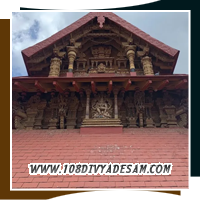
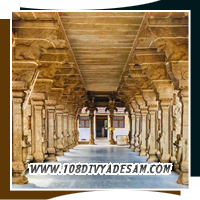
The temple features three separate entrances for devotees, a rare architectural design in South India. This allows devotees to experience different spiritual perspectives while approaching the deity. The inner sanctum showcases intricate carvings, wooden Kerala-style architecture, and a serene ambience. Visiting here provides both spiritual upliftment and an appreciation for centuries-old temple craftsmanship.
✨ Thayar Maragathavalli Nachiyar & Utsava Perumal Madhavan
The presiding goddess, Maragathavalli Nachiyar, radiates motherly grace, accompanied by Utsava Perumal Madhavan, standing with Sridevi and Bhoodevi. During festivals, the deities are taken out in vibrant processions, accompanied by traditional Kerala music and rituals. Devotees believe that worshipping them brings harmony, family welfare, health, and prosperity, making the temple a significant destination for pilgrimage and cultural tourism.
✨ Temple Legend – Demons Kesan and Kesi
According to legend, demons Kesan and Kesi emerged from a yagna conducted by Lord Brahma, troubling sages. They prayed to Lord Vishnu, who appeared as Adi Kesava Perumal and defeated them. This tale highlights the deity’s divine power and protective nature. Devotees visiting Thiruvattaru can connect with this ancient myth, experiencing the deep cultural and religious roots that form the temple’s spiritual significance. |
 |
✨ Goddess Bhoomidevi and the Sacred Rivers
To protect the Lord during Kesi’s revenge, Goddess Bhoomidevi raised the land, allowing the rivers Ganga and Cauvery to flow around the deity. This unique geographical and mythological feature gives the temple a distinct spiritual identity. Pilgrims consider this sacred setting an essential part of their Kerala pilgrimage, offering not only divine blessings but also a serene environment for meditation and devotional practices.
✨ Nammalwar’s Hymns and Kesava’s Divine Deeds
The temple’s legend and name “Kesava” are celebrated in the hymns of Nammalwar, one of the 12 Alwars. Lord Vishnu’s victory over Kesan and the placement of 12 Rudrakshas binding Kesi inspired the creation of 12 nearby Shiva temples. Devotees often visit these temples during Shivaratri before offering prayers at Thiruvattaru, making it a significant spiritual route in the region, combining devotion, culture, and pilgrimage tourism.
✨ Sacred Theerthams – Kadalvai Pushkarini & Sree Rama Theertham
Thiruvattaru is part of Parasurama Kshetram, the land reclaimed by Lord Parasurama. The temple features sacred ponds, including Kadalvai Pushkarini and Sree Rama Theertham, believed to wash away sins and bring spiritual clarity. Pilgrims perform ritual baths before darshan, adding a meaningful devotional experience. These theerthams enhance the temple’s significance for Kerala and Tamil Nadu pilgrimage circuits.
✨ Parasurama Kshetram – Cultural & Spiritual Heritage
The temple’s association with Parasurama Kshetram reinforces its cultural and spiritual prominence. Lord Parasurama is said to have consecrated several shrines here, connecting the temple to broader Kerala religious heritage. Pilgrims visiting Thiruvattaru gain insights into the unique integration of geography, legend, and faith, making it a crucial destination for those exploring sacred South Indian sites.
✨ Unique Feature – Absence of Lotus and Brahma on Navel
Unlike other reclining Vishnu temples, Thiruvattaru lacks the lotus flower and Lord Brahma on the deity’s navel. This symbolizes the Lord’s supreme state beyond creation. As the elder brother of Padmanabhaswamy Temple, also called Aadhi Anandhapuram or Chera Naattu Srirangam, the shrine holds a unique place among the 108 Divyadesams, attracting pilgrims, heritage travelers, and devotees of Vaishnavism alike.
|
 |
✨ Sun Rays Phenomenon – Purattasi & Panguni Months
Twice a year, during Purattasi and Panguni, the Sun’s rays fall directly on the deity inside the sanctum, creating a natural phenomenon celebrated by devotees as divine blessing. This rare event enhances the temple’s spiritual appeal, drawing historians, cultural tourists, and photography enthusiasts. Observing this celestial alignment offers a unique connection with cosmic energy and Kerala’s temple traditions.
✨ Inner Sanctum Deities & Spiritual Experience
Inside the sanctum, devotees find Garuda, Panchayudham, and representations of demons Madhu and Kaidaba. Vedic rituals, flower offerings, tulasi leaves, and prasadam are integral parts of worship. Experiencing the sacred presence of Adi Kesava Perumal alongside Thayar provides a complete spiritual journey, blending devotional practices with rich cultural and heritage values for tourism enthusiasts.
✨ Temple Pushkarinis – Ritual Baths & Pilgrimage Practices
Kadalvai Pushkarini and Sree Rama Theertham are central to ritual purification. Devotees believe that bathing in these waters cleanses sins and enhances spiritual merit. Scenic surroundings with coconut groves and temple mandapams create a tranquil environment. Pilgrims often include these theerthams in their Kerala pilgrimage itineraries, making the temple both a spiritual and cultural hotspot for travelers.
✨ Dravidian Architecture – Grandeur & Craftsmanship
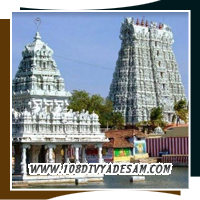
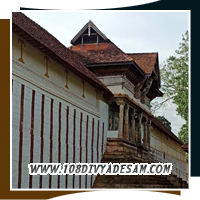
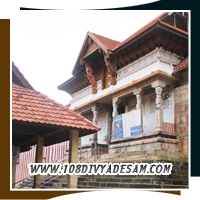
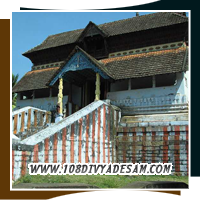
Thiruvattaru Temple blends Kerala architecture with Dravidian influences. Stone sanctum walls, wooden halls, tiled gopurams, and intricate carvings depict epic tales. The corridors are cool with river breezes, and murals narrate mythological events. Tourists and pilgrims alike admire the centuries-old artistry, making the temple a living museum showcasing Kerala’s sacred craftsmanship and devotion.
✨ Festivals & Celebrations – Onam, Brahmotsavam, Vaikunta Ekadasi
Major festivals at Thiruvattaru include Onam, Brahmotsavam, and Vaikunta Ekadasi. During Onam, floral decorations, lamps, and feasts enliven the temple. Brahmotsavam features processions on celestial mounts with music and dance, while Vaikunta Ekadasi opens the Sorga Vaasal, symbolizing the gateway to heaven. These celebrations attract devotees, cultural tourists, and heritage travelers from across India.
|
 |
✨ Ritual Practices & Daily Worship
Daily poojas follow strict Agama traditions, including abhishekam, alankaram, and tulasi offerings. Devotees also participate in fasting and barefoot pilgrimages. The belief that sincere prayers grant liberation and protection makes the temple a focal point for spiritual seekers. Couples seek blessings for family harmony, while others pray for success and well-being, ensuring a profound devotional experience.
✨ Utsava Murti & Festival Processions
The Utsava Murti, Lord Madhavan, is accompanied by Sridevi and Bhoodevi during festivals. Processions feature Kerala percussion ensembles, vibrant decorations, and devotional songs. These rituals attract thousands of pilgrims and tourists seeking cultural immersion. Experiencing the festival processions provides insight into traditional Kerala temple ceremonies and promotes heritage tourism in the region.
✨ Devotee Experience – Spiritual Tranquility & Reflection
Visitors to Thiruvattaru experience a serene and peaceful atmosphere. The combination of sacred rituals, divine legends, and lush surroundings provides meditation and reflection opportunities. Pilgrims and tourists alike find spiritual rejuvenation here, appreciating the temple as both a religious destination and a center for cultural exploration, photography, and learning about Kerala-Vaishnavite traditions.
✨ Nearby Attractions & Pilgrimage Routes
Thiruvattaru is close to Padmanabhaswamy Temple, Suchindram Temple, and 12 Shiva Temples linked to its legend. This region offers a complete pilgrimage route covering Malainadu Divyadesams. Heritage travelers often extend their visit to Kanyakumari or Padmanabhapuram Palace. Well-connected by road and rail, the area provides convenient travel options for cultural and religious tourism enthusiasts.
✨ Customized Malainadu Divyadesam Itinerary
Pilgrims visiting Thiruvattaru often follow curated itineraries including Thiruvanparisaram, Thiruvanparisaram, and other Malai Nadu Divyadesams. A day tour can cover multiple sacred sites, combining spiritual darshan with cultural exploration. This itinerary enhances the tourism experience, providing travelers with insights into South India’s Vaishnavite temples, legends, and Kerala-Tamil Nadu heritage.
|
 |
✨ Spiritual Significance – Liberation and Blessings
Worshipping Adi Kesava Perumal is believed to grant moksha, protection, and prosperity. Devotees experience relief from karmic burdens and enhanced spiritual clarity. The combination of deity worship, sacred theerthams, and festival participation creates a holistic pilgrimage experience. Travelers seeking both spiritual enlightenment and cultural exploration find Thiruvattaru an unmatched destination.
✨ Cultural Tourism – Kerala Temple Heritage
Thiruvattaru Divyadesam is a living monument showcasing Kerala temple culture. Wooden carvings, murals, processions, and festival customs preserve centuries-old traditions. Cultural tourists gain insight into regional music, dance, and ritual practices. The temple is not only a pilgrimage site but also a destination for heritage tourism, attracting devotees, historians, and culture enthusiasts alike.
✨ Scenic Surroundings & Photography Opportunities
The temple’s lush greenery, flowing rivers, and scenic ponds provide exceptional photography opportunities. Pilgrims and tourists can capture the tranquil landscapes, sacred architecture, and festival vibrancy. The natural setting enhances the spiritual experience, making Thiruvattaru a favorite destination for both devotional travelers and heritage photographers seeking authentic South Indian temple imagery.
✨ Conclusion – Why Visit Thiruvattaru Divyadesam
Thiruvattaru Divyadesam offers a complete blend of spiritual, historical, and cultural experiences. Its reclining Adi Kesava Perumal, sacred theerthams, festivals, and unique Kerala-Dravidian architecture make it a top destination for pilgrims and tourists. Being part of Parasurama Kshetram and 108 Divyadesams, the temple remains a significant site for Vaishnavite devotees, cultural travelers, and heritage tourism enthusiasts.
|
 |
| |
Plan a Peaceful Thiruvattaru Divyadesam Darshan Combined with a Tour Covering the nearby Malai Nadu Divyadesams |
| |
|
| 01 |
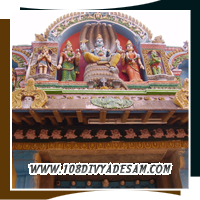
Thiruvanparisaram Divyadesam- Thirupathisaram Thiruvazhmarban Temple. Birth place of " NammAzhvaar’s mother Udayanangai ". |
| 02 |
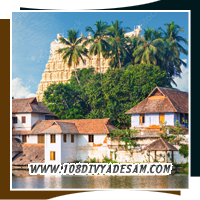
Thiruvananthapuram Divyadesam - Sri Anantha Padmanabha Swamy Koil. Trivandrum. Gigantic Adisesha Bhujanga Sayana Posture. |
| 03 |
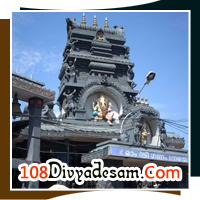
Pazhavangadi Ganapathy, Lord Maha Ganapathy, blesses the devotees in HIS Rare Seated Posture with Right Leg Gracefully Folded. |
| 04 |
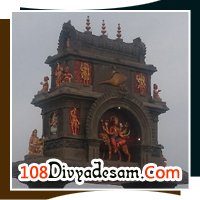
Attukal Bhagavathy Amman Temple, the Four-Armed Goddess holding Spear, Sword, Skull, and Shield. “Sabarimala for Women.” |
| 05 |
Chengal Maheswaram Sri Sivaparvathi Temple. World’s tallest 111 Feet Sivalingam, featuring " 108 Lingas " around its Sacred Form. |
| |
|
|