| Moolavar |
Thamaraiankelvan blessing in HIS Grand Standing Posture facing towards West. |
| Thayar |
Sree Thamarai Nayagi |
Uthsavar - Perumal |
Parthasarathy Perumal |
| Sthala Pushkarini |
Kadga Theertham |
Sthala Vimanam |
Narayana Vimanam |
| Prathyaksham |
Rudran,Parthan,Varunan |
Sthala Pushkarini |
Pancharatram |
| Thiru Parthanpalli Divyadesam, uniquely hymned by Poigai Azhwar and Thirumangai Azhwar among Thirunangur temples. |
| Thamarayal Kelwan with Thamarayal Nayagi blesses devotees in a west-facing standing posture at this sacred Divyadesam. |
| Ganga Theertham (Kadga Theertham) emerged when Arjuna struck the earth, making this temple a revered pilgrimage site. |
| The only Divyadesam where Moolavar and Utsavars bless with Sridevi, Bhoodevi and Neeladevi together. |
| Worship here is considered equal to Triplicane Parthasarathy Temple, attracting Vaishnavite pilgrims and heritage tourists. |
✨ Unique Sanctity of Thiru Parthanpalli Divyadesam
Thiru Parthanpalli is a sacred Divyadesam where Lord Thamarayal Kelvan is worshipped alongside Sreedevi, Bhoodevi, and Neeladevi. Pilgrims visit seeking spiritual upliftment, prosperity, and divine grace. Praised by Poigai Azhwar and Thirumangai Azhwar, it holds unique importance among Thirunangur temples in Cholanadu, attracting devotees worldwide.
✨ Temple Legend of Lord Thamarayal Kelvan
Legend states that Arjuna, while traveling here, was struck by thirst. With Agasthiyar’s guidance, he struck the earth with his sword, and Ganga Theertham appeared. Lord Krishna manifested as Thamarayal Kelvan with a dagger in His belt to bless devotees. This divine intervention gave the temple its name and established its sacred heritage.
✨ Presiding Deity – Lord Thamarayal Kelvan
The Moolavar, Lord Thamarayal Kelvan, is in a standing posture facing east, blessing devotees with His divine grace. His consort, Thamarayal Nayagi, complements His presence, symbolizing spiritual and material prosperity. Pilgrims experience peace, protection, and spiritual energy during darshan, reinforcing the temple’s sacred significance.
✨ Utsavar – Divine Accessibility for Devotees
The utsavar deity, Parthasarathy Perumal, mirrors the Moolavar and is adorned with Sreedevi, Bhoodevi, and Neeladevi. Pilgrims witness daily processions and festival rituals that allow intimate darshan. Participation in ceremonial events enhances spiritual devotion, making Thiru Parthanpalli a key pilgrimage site in the Thirunangur Divyadesam circuit.
✨ Sthala Vriksham – Sacred Tree of the Temple
The Sthala Vriksham, revered for its divine energy, stands as a symbol of growth, devotion, and enlightenment. Devotees meditate beneath its shade to attain mental clarity and spiritual upliftment. This sacred tree enhances the temple’s tranquil atmosphere, providing pilgrims a serene environment to connect deeply with the divine. |
 |
✨ Sthala Theertham – Ganga and Kadga Theertham
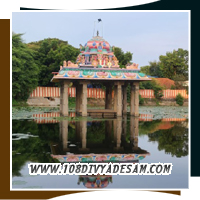
The temple’s holy water body, Ganga Theertham, emerged when Arjuna struck the earth with a sword, invoking the river’s blessing. Known as Kadga Theertham due to the sword, it is believed to cleanse sins, remove hardships, and offer divine merit. Pilgrims partake in its sacred waters to attain spiritual purification and protection.
✨ Architectural Brilliance of Thiru Parthanpalli
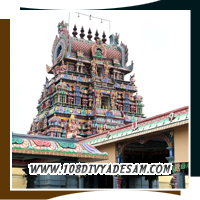
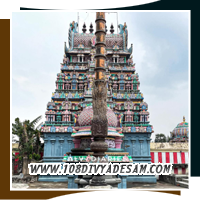
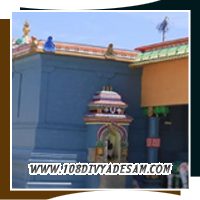
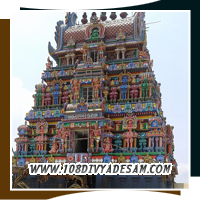
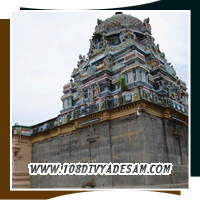
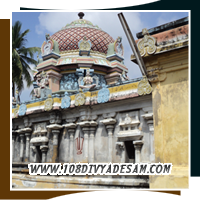
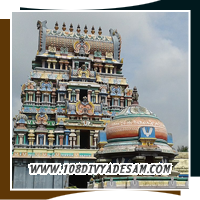
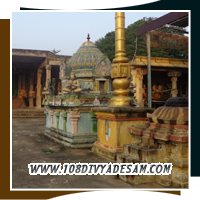
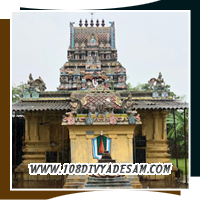
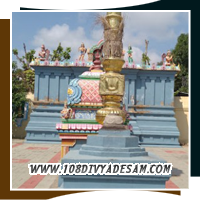
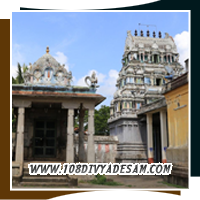
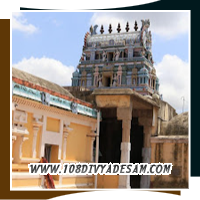
Thiru Parthanpalli showcases Dravidian architecture with intricately carved pillars, a modest gopuram, and stone mandapams. The Narayana Vimanam above the sanctum symbolizes celestial order. Chola-era craftsmanship blends simplicity with grandeur, allowing devotees to experience spiritual elevation amidst architectural splendor during their visit.
✨ Sanctum Sanctorum – Divine Abode
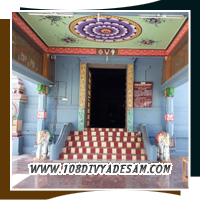
The garbhagriha houses Lord Thamarayal Kelvan in a standing posture, accompanied by Sreedevi, Bhoodevi, and Neeladevi. The sanctum exudes serenity and divine energy. Pilgrims feel intense spiritual connection while performing darshan. The sacred layout ensures devotees can meditate and engage in rituals without distraction, enhancing devotion.
✨ Worshipping Benefits at Thiru Parthanpalli
Devotees believe that worshipping Lord Thamarayal Kelvan grants prosperity, removes obstacles, and ensures spiritual growth. Combined blessings from the consorts fulfill material desires and spiritual goals. Pilgrims often report clarity, protection, and inner peace after darshan, reinforcing the temple’s significance in the Vaishnavite tradition.
✨ Festivals and Divine Celebrations
Thiru Parthanpalli celebrates grand festivals where the utsavar is taken in processions. Rituals include abhishekam, alangaram, and deepa aradanai, accompanied by devotional music and chants. Pilgrims actively participate, enhancing their spiritual experience. Festivals highlight the temple’s cultural richness and enduring Vaishnavite faith.
|
 |
✨ Historical Significance of Thiru Parthanpalli
The temple received patronage from Chola kings and other regional dynasties. Inscriptions reveal donations, rituals, and temple renovations. Its historical relevance adds depth to spiritual experiences. Visitors gain insight into ancient Vaishnavite traditions while admiring the preserved architectural elements that exemplify Chola craftsmanship.
✨ Connection to Thirunangur Divyadesams
Thiru Parthanpalli is integral to the 11 Thirunangur Divyadesams pilgrimage circuit. Devotees visiting all Divyadesams experience a holistic spiritual journey. Its unique deity arrangement with consorts enhances the overall religious significance, allowing pilgrims to receive blessings aligned with the traditions of the entire Thirunangur cluster.
✨ Proximity to Nearby Divyadesams
Adjacent Divyadesams, including Thiru Kavalampaadi and Thiru Vaikunda Vinnagaram, form a spiritually rich pilgrimage route. Devotees often plan sequential visits to maximize blessings. The temple’s location within the Thirunangur cluster provides easy access for tourists and pilgrims seeking a complete Divyadesam yatra in Cholanadu.
✨ Temple Rituals and Agama Practices
Thiru Parthanpalli follows Pancharatram Agama rituals conducted by trained archakas. Daily abhishekam, alangaram, and deepa aradanai preserve centuries-old Vaishnavite traditions. Pilgrims witness these rituals, experiencing the spiritual energy firsthand. The temple offers a pure devotional environment for worship and meditation.
✨ Spiritual Ambiance and Meditation
The tranquil surroundings, sacred tree, and serene corridors make Thiru Parthanpalli ideal for meditation. Pilgrims chant Divya Prabandham hymns or meditate near the theertham to attain clarity and spiritual upliftment. The temple’s peaceful atmosphere supports deep reflection, fostering devotion and enhancing spiritual experiences.
|
 |
✨ Divine Legends of Arjuna and the Sword
Arjuna’s thirst and Lord Krishna’s blessing with a sword form the temple’s central legend. This miracle explains the origin of Ganga Theertham and Kadga Theertham. Devotees witness Lord Thamarayal Kelvan with a dagger in His belt, representing divine intervention. These legends highlight the temple’s spiritual potency and historical depth.
✨ Vimanam – Architectural Symbolism
The Narayana Vimanam above the sanctum embodies divine order and celestial harmony. Its carvings depict deities and mythological motifs. Pilgrims admire the architectural elegance and spiritual symbolism, connecting earthly devotion with divine presence. The Vimanam reinforces the temple’s status as a sacred Divyadesam.
✨ Iconography of Deities
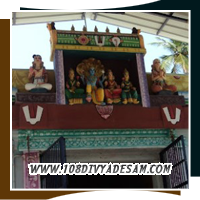
Lord Thamarayal Kelvan, Sreedevi, Bhoodevi, and Neeladevi present rare iconography. The Moolavar’s standing posture with the dagger, and the utsavar’s ceremonial adornments, convey protection and blessings. Pilgrims experience heightened spiritual energy during darshan. This unique arrangement underscores the temple’s Vaishnavite significance.
✨ Pilgrimage Opportunities and Moksha
Thiru Parthanpalli offers spiritual elevation and Moksha opportunities. Devotees perform rituals, chant hymns, and pray for liberation. The temple’s divine energy aids in overcoming karmic obstacles. Pilgrimage here provides a spiritually fulfilling experience aligned with traditional Vaishnavite beliefs and practices.
✨ Visitor Experience and Tourism
Tourists experience cultural immersion, scenic landscapes, and architectural beauty. The serene village setting, proximity to other Divyadesams, and spiritual aura enhance tourism appeal. Pilgrims enjoy photography, meditation, and participation in rituals, combining spiritual tourism with cultural exploration of Thirunangur’s Divyadesams.
|
 |
✨ Daily Offerings and Devotional Practices
Daily rituals include abhishekam, alangaram, and deepa aradanai performed with devotion by trained archakas. Pilgrims participate and witness these ceremonies, enhancing their spiritual connection. The rituals preserve Vaishnavite traditions and provide an immersive devotional experience, making the temple a hub of living spirituality.
✨ Architectural Symbolism and Spiritual Significance
Mandapams, pillars, and carvings illustrate celestial stories and Vaishnavite philosophy. The sanctum represents divine presence, while surrounding structures guide pilgrims’ spiritual journey. Architecture here strengthens devotion, teaches religious symbolism, and enhances the overall sacred atmosphere, ensuring an enriching experience.
✨ Pilgrim Guidance and Accessibility
Thiru Parthanpalli is easily accessible from Thirunangur and nearby towns. Guides provide insights into legends, rituals, and temple architecture, enriching the spiritual experience. Accessibility allows devotees to engage deeply with the heritage, connecting with Lord Thamarayal Kelvan and His consorts in a meaningful pilgrimage journey.
✨ Legacy and Enduring Spiritual Heritage
Thiru Parthanpalli symbolizes devotion, divine grace, and Vaishnavite heritage. Its rare deity configuration, sacred theertham, and Chola-era architecture preserve centuries-old traditions. Modern pilgrims are inspired to continue age-old practices while experiencing spiritual elevation, making the temple an enduring landmark of faith and divine blessings.
|
 |
| |
Enhance Your South India Pilgrimage by Covering Thiru Parthanpalli Divyadesam and Thirunangur Divyadesams in One Trip |
| |
Embark on a Holy Divyadesam Pilgrimage Across Tamil Nadu, Kerala, and Ahobilam for Blessed Darshan |
| |
|
|
|
|