| Moolavar |
Sree Gopala Krishnan blessing in HIS Standing Posture holding a Cow with a Rope in HIS Left Hand |
| Thayar |
Sree Sengamala Nachiyar |
Uthsavar - Perumal |
Rajagopala Swamy |
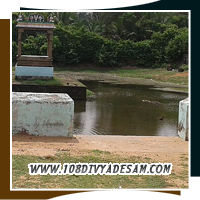
| Sthala Pushkarini |
Thadamalar Poigai |
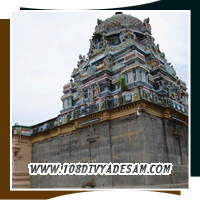
Sthala Vimanam |
Swayambu Vimanam |
| Prathyaksham |
Rudran, Senai Muthaliyar |
Agamam |
Pancharathram |
| Lord Gopala Krishnan blesses devotees with Rukmini and Satyabhama, worshipped here as equal to Lord Krishna of Dwaraka. |
| Moolavar Gopala Krishnan blesses devotees here like Dwaraka, with no separate Thayar sannidhi in the temple. |
| Utsavar Kannan holds Sengol, with Thadamalai Poigai Theertham and sacred Swayambu Vedhamodha Vimanam. |
| Temple name Thirukavalambadi comes from Kavalam, a divine garden once filled with sacred Parijatha flowers. |
| Lord Krishna fulfilled Sathyabama’s wish here, making this Divyadesam a key pilgrimage near Pancha Narasimha Kshetrams. |
✨ Thirukavalambadi Divyadesam – Lord Gopala Krishnan Blessing with Rukmini and Satyabhama - Unique Sanctity
Thirukavalambadi Divyadesam is a revered Vaishnavite temple where Lord Gopala Krishna blesses devotees along with His consorts Rukmini and Satyabhama. Equal in sanctity to worship at Dwaraka, the temple draws pilgrims seeking divine protection, prosperity, and spiritual elevation. It is an essential stop in Cholanadu Divyadesam tirtha yatra.
✨ Temple Legend and Divine Manifestation
Legend tells that Gopala Krishna manifested here to fulfill His promise to Satyabhama and Rukmini, bringing a dense garden of Parijatham flowers. The sacred site commemorates Krishna’s divine intervention against demons and His benevolence in granting spiritual and material blessings, making it a key Divyadesam for devotees.
✨ Presiding Deity – Sri Gopala Krishna Perumal
The Moolavar, Lord Gopala Krishna, stands holding a cow with a rope in His left hand, exuding protection, benevolence, and grace. Pilgrims experience spiritual upliftment during darshan. The deity’s posture, ornaments, and divine aura enhance devotion, offering devotees guidance, prosperity, and fulfillment of prayers.
✨ Utsavar – Divine Access for Devotees
The utsavar deity, Rajagopala Swamy, mirrors the Moolavar and blesses devotees during festivals and processions. Holding a sengol, the utsavar enables closer interaction, allowing pilgrims to actively participate in rituals and experience divine energy firsthand. It reinforces the temple’s significance in Thirunangur pilgrimage.
✨ Sthala Vriksham – Sacred Tree of Thirukavalambadi
The temple’s Sthala Vriksham is a revered tree in the sacred garden. Pilgrims meditate beneath it to seek mental clarity, spiritual blessings, and inner peace. Representing devotion, growth, and divine energy, this sacred tree enhances the temple’s serene environment and provides a space for reflection and contemplation. |
 |
✨ Sthala Theertham – Thadamalai Poigai
The sacred water body, Thadamalai Poigai, is believed to purify devotees of sins and bestow prosperity. Pilgrims sprinkle or bathe in the theertham to gain spiritual merit and divine protection. Known for its sacred origin tied to Krishna’s manifestation, it is integral to ritual practices and spiritual rejuvenation at the temple.
✨ Architectural Brilliance of Thirukavalambadi
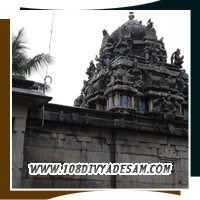
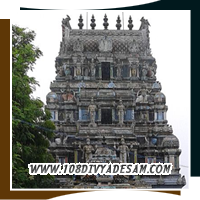
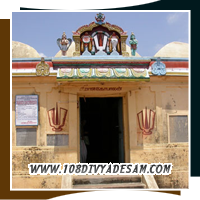
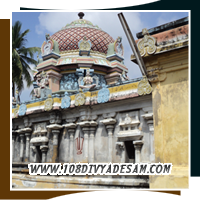
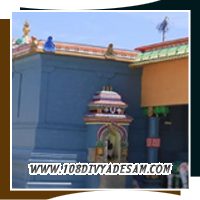
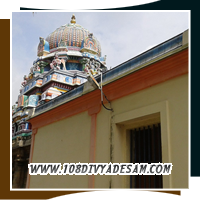
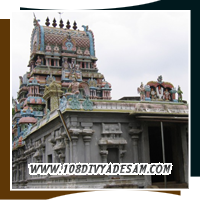
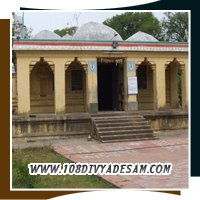
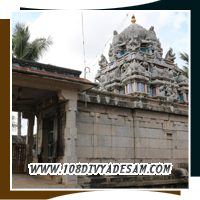
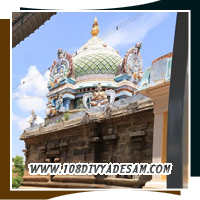
The temple displays classical Dravidian architecture with intricately carved pillars, mandapams, and a Vimanam that reflects divine presence. The Swayambu Vimanam and Vedhamodha Vimanam exhibit Chola-era craftsmanship. The architecture complements the sanctity, inviting devotees to immerse in spiritual contemplation and divine connection.
✨ Sanctum Sanctorum – Divine Abode
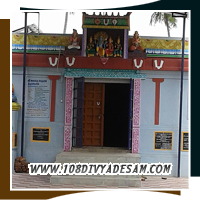
The garbhagriha houses Lord Gopala Krishna, exuding sacred energy. Pilgrims feel deep peace while offering prayers and performing rituals. Its serene layout ensures uninterrupted meditation and darshan. The sanctum’s architecture heightens spiritual focus, enabling devotees to experience a profound connection with the deity.
✨ Worshipping Benefits at Thirukavalambadi
Devotees believe prayers here remove obstacles, bestow prosperity, and provide spiritual upliftment. Lord Gopala Krishna’s blessings with Rukmini and Satyabhama are said to grant material success and Moksha. Pilgrims often report mental clarity, divine protection, and guidance after visiting, enhancing faith and devotion.
✨ Festivals and Religious Celebrations
Grand festivals involve processions of the utsavar deity, abhishekam, alangaram, and deepa aradanai. Devotional music and chanting animate the temple. Pilgrims participate actively, experiencing divine energy and cultural immersion. Celebrations highlight the temple’s role as a vibrant center of Vaishnavite tradition and pilgrimage.
|
 |
✨ Historical Significance of Thirukavalambadi
The temple’s history traces back to Chola-era patronage, with inscriptions detailing donations and expansions. Preserved architecture and rituals provide insights into ancient Vaishnavite traditions. This historical significance enriches the spiritual journey for pilgrims, reflecting centuries of devotion and divine worship.
✨ Connection to Cholanadu Divyadesams
Thirukavalambadi is part of the Cholanadu Divyadesam circuit, complementing temples like Thirunangur, Thiru Parthanpalli, and Thiru Kavalampaadi. Visiting this temple provides devotees a holistic spiritual pilgrimage, connecting sacred sites and ensuring a comprehensive experience of Vaishnavite devotion in Tamil Nadu.
✨ Proximity to Nearby Divyadesams
Nearby temples like Thirukkurayalur, Mangaimadam, and Pancha Narasimha Kshetrams enhance the pilgrimage route. Sequential visits maximize blessings, allowing devotees to explore spiritual, cultural, and architectural richness. The temple’s location facilitates immersive spiritual tourism in Thirunangur and Cholanadu regions.
✨ Temple Rituals and Agama Practices
Thirukavalambadi observes Pancharatram Agama rituals. Daily abhishekam, alangaram, and deepa aradanai maintain Vaishnavite traditions. Devotees witness and participate in ceremonies, experiencing divine energy. Rituals preserve spiritual heritage and ensure that pilgrims receive authentic Vaishnavite worship and blessings.
✨ Spiritual Ambiance and Meditation
The temple’s quiet corridors, sacred garden, and serene surroundings support meditation and devotional chanting. Pilgrims meditate near the theertham or under the Sthala Vriksham. The environment promotes inner peace, spiritual focus, and clarity, making every visit an opportunity for elevated devotional experience.
|
 |
✨ Divine Legends of Lord Gopala Krishna
Ancient legends highlight Krishna’s protective nature, benevolence, and miraculous interventions. The temple commemorates His gift of a Parijatham garden for Satyabhama and Rukmini. Devotees emulate these practices, seeking prosperity, divine grace, and spiritual upliftment, strengthening the temple’s sacred significance.
✨ Vimanam – Celestial Architectural Symbolism
The Swayambu and Vedhamodha Vimanams rise majestically above the sanctum, symbolizing cosmic order. Carvings depict celestial motifs, blending art with divine symbolism. Pilgrims admire architectural and spiritual beauty, connecting earthly devotion to celestial energies. The Vimanam represents the temple’s sacred grandeur.
✨ Iconography of the Deities
Sri Gopala Krishna with Rukmini and Satyabhama showcases unique Vaishnavite iconography. Utsavar deities mirror this form, enhancing the devotional experience. The standing posture with cow in hand, ornaments, and consorts signify blessings, protection, and joy. Pilgrims experience spiritual energy similar to Dwaraka darshan.
✨ Pilgrimage Opportunities and Moksha
Devotees attain spiritual elevation and Moksha through prayer, chanting, and participation in rituals. The temple’s energy helps overcome obstacles and fosters clarity, devotion, and peace. Pilgrims visiting Thirukavalambadi report fulfillment, reinforcing faith, spiritual growth, and alignment with Vaishnavite traditions.
✨ Visitor Experience and Tourism
Tourists enjoy cultural immersion, scenic landscapes, and classical architecture. The temple’s serene environment, sacred garden, and proximity to other Divyadesams enhance tourism appeal. Visitors can meditate, participate in rituals, and explore heritage, combining religious tourism with cultural and spiritual exploration.
|
 |
✨ Daily Offerings and Devotional Practices
Daily rituals include abhishekam, alangaram, and deepa aradanai performed by trained priests. Pilgrims witness and engage in ceremonies, strengthening spiritual connection. These offerings maintain Vaishnavite traditions and create immersive devotional experiences, ensuring every visitor receives divine blessings and a memorable pilgrimage.
✨ Architectural Symbolism and Spiritual Significance
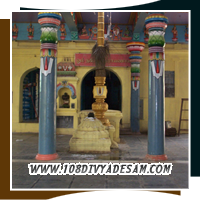
Mandapams, pillars, and carvings depict celestial stories and Vaishnavite philosophy. The sanctum embodies the divine abode. Architectural elements guide pilgrims’ devotion, teaching spiritual symbolism, and providing a sacred space for prayer, meditation, and reflection, enriching the spiritual experience at the temple.
✨ Pilgrim Guidance and Accessibility
Thirukavalambadi is easily accessible from Thirunangur and nearby towns. Guides explain temple legends, rituals, and architecture, enriching the pilgrimage experience. Accessibility ensures devotees can connect spiritually with Lord Gopala Krishna and His consorts while exploring the Divyadesam, making it a meaningful pilgrimage destination.
✨ Legacy and Enduring Spiritual Heritage
Thirukavalambadi preserves centuries-old Vaishnavite traditions, sacred rituals, and divine worship. Its deity configuration, Vimanam, and theertham inspire devotion and spiritual growth. Pilgrims continue age-old practices while experiencing divine blessings, making the temple a timeless symbol of faith, culture, and spiritual heritage.
|
 |
| |
Combine Your Thirukavalambadi Dharshan with Nearby Seerkazhi Divyadesams for a Enriching South India Tour |
| |
Uncover the Divine Heritage of Divyadesams in Tamil Nadu, Kerala, and Ahobilam with Guided Temple Tours |
| |
|