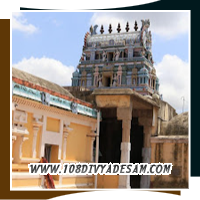
| Moolavar |
Senkanmal Ranganathar Blessing in HIS Adisesha Anandha Sayana Posture with Four Hands facing East |
| Thayar |
Sree Senkamalavalli Nachiyar |
Uthsavar - Perumal |
Pallikonda Perumal |
| Sthala Pushkarini |
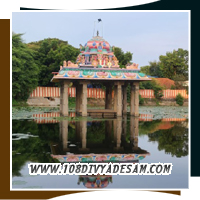
Surya Theertham |
Sthala Vimanam |
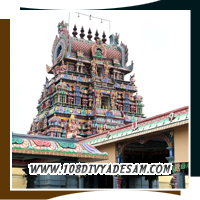
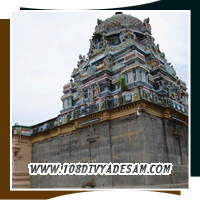
Vedha Vimanam |
| Temple is also called Seshapuram, where Adhiseshan received blessings after Perumal restored the world from Hiranyakshan. |
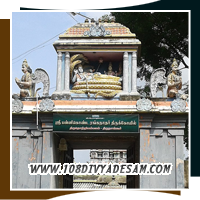
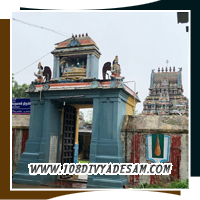
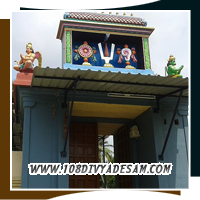
| Thiruthetriyambalam Divyadesam, Pallikonda Perumal Temple, features Senganmal Ranganathar in Anandha Sayana Posture. |
| Moolavar Senganmal Ranganathar blesses atop Adhiseshan with Four Hands, Thayar as Sengamalavalli Thayar, facing East. |
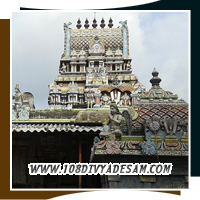
| Temple Vimanam is Vedha Vimanam, pushkarini called Surya Theertham; Red Eyed Perumal earned the name Senganmal. |
| Worshipping here equals Srirangam Ranganathar; all 12 Azhwars and Hanuman bless devotees in the Maha Mandapam. |
✨ Spiritual Significance of Thiruthetriyambalam Temple
Thiruthetriyambalam Divyadesam, revered as Senganmal Ranganathar Temple, is a sacred Pallikonda Perumal Koil in Seshapuram. Pilgrims flock to witness the red-eyed Perumal in Anandha Sayana posture, seeking prosperity, spiritual upliftment, and divine protection. The temple is a major Vaishnavite pilgrimage site in Malai Nadu, enriching Chola Nadu tirtha yatra experiences.
✨ Temple Legend and Divine Manifestation
Legend recounts that after defeating the demon Hiranyakshan, Lord Ranganathar rested here, appearing with red eyes. Adiseshan and Goddess Lakshmi worshipped Him at this site. Pilgrims believe worshipping here equals devotion at Srirangam, enhancing spiritual merit and attracting devotees from across Tamil Nadu for cultural and religious tourism.
✨ Presiding Deity – Senganmal Ranganathar
The Moolavar, Senganmal Ranganathar, is depicted in Anandha Sayana posture with four hands facing east on Adiseshan. His benevolent form blesses devotees with protection, prosperity, and spiritual growth. Pilgrims experience peace and divine guidance, making it a key spiritual stop for those touring Thondai Nadu Divyadesams.
✨ Thayar – Sree Sengamalavalli Nachiyar
The Utsavar consort, Sree Sengamalavalli Nachiyar, enhances the sacredness of the temple. Devotees seek her blessings for family harmony, prosperity, and devotion. Her presence complements Perumal’s grace, creating a balanced divine energy that draws pilgrims for worship and cultural exploration of Malai Nadu’s sacred sites.
✨ Utsavar – Pallikonda Perumal
The Utsavar deity, Pallikonda Perumal, provides devotees a closer darshan during festivals. Rituals like abhishekam and alankaram allow devotees to connect intimately with divine energy. Pilgrims actively participate in ceremonies, enhancing religious tourism while experiencing authentic Vaishnavite worship practices. |
 |
✨ Sthala Vriksham – Sacred Tree
The temple’s Sthala Vriksham is a revered tree believed to radiate spiritual energy. Pilgrims meditate under its shade, seeking blessings, clarity, and inner peace. Symbolizing growth and prosperity, it enhances the pilgrimage experience while offering a tranquil environment for devotional activities and cultural exploration.
✨ Sthala Theertham – Surya Theertham
Surya Theertham, the temple’s sacred water body, purifies sins and bestows spiritual merit. Devotees perform ritual baths or sprinkle water during prayers. Central to Vaishnavite rituals, it reinforces faith, promotes spiritual upliftment, and enhances religious tourism by highlighting unique temple features.
✨ Architectural Brilliance of Thiruthetriyambalam
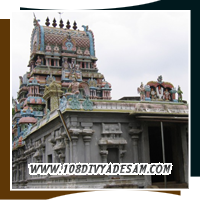
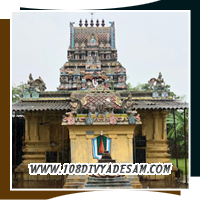
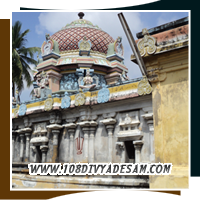
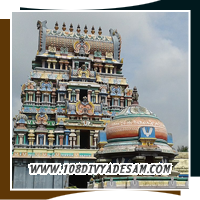
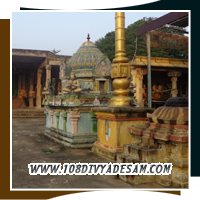
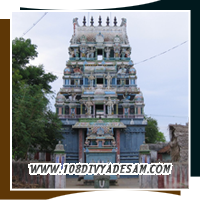
The temple exhibits Dravidian architecture with intricately carved mandapams, stone pillars, and Vedha Vimanam. Chola-era design combines aesthetics and spiritual symbolism. Pilgrims admire craftsmanship, experience divine ambiance, and engage in cultural tourism exploring South Indian temple artistry.
✨ Sanctum Sanctorum – Divine Abode
The garbhagriha houses Senganmal Ranganathar, radiating sacred energy. Its serene environment facilitates meditation and devotion. Pilgrims experience immersive darshan, spiritual rejuvenation, and divine guidance. The sanctum enhances Vaishnavite pilgrimage appeal, connecting visitors deeply with the deity’s energy.
✨ Worshipping Benefits and Spiritual Merit
Devotees believe worship at Senganmal Ranganathar grants protection, prosperity, mental clarity, and spiritual growth. Pilgrims experience emotional solace, divine blessings, and inner peace. The temple serves as a spiritually transformative site, reinforcing faith and attracting tourism to Thondai Nadu Divyadesams.
|
 |
✨ Festivals and Religious Celebrations
Major festivals feature Utsavar processions, abhishekam, alankaram, and deepa aradanai. Devotional music and chants enrich spiritual ambiance. Pilgrims actively participate, enhancing religious tourism, cultural experience, and Vaishnavite engagement during vibrant temple festivals.
✨ Historical Significance
Patronized by Chola kings and local dynasties, inscriptions detail donations, rituals, and temple expansion. Preserved architecture reflects centuries of Vaishnavite tradition. Pilgrims gain insights into historical heritage, making the temple a culturally rich destination for heritage tourism.
✨ Connection to Thondai Nadu Divyadesams
Thiruthetriyambalam forms part of Thondai Nadu Divyadesams pilgrimage circuit. Visiting nearby temples like Thiru Vaikunda Vinnagaram and Thiru Parthanpalli offers a holistic spiritual journey. Its centrality enhances devotional experiences and supports organized cultural tourism.
✨ Proximity to Nearby Temples
Located near Thiruvan Purusothamam Divyadesam, the temple is ideal for sequential visits. Pilgrims maximize blessings while exploring Vaishnavite culture. The accessible location integrates spiritual pilgrimage with tourism, offering scenic and cultural experiences
✨ Daily Rituals and Agama Practices
Daily Pancharatram Agama rituals include abhishekam, alankaram, and deepa aradanai performed by trained priests. Devotees participate or observe, preserving ancient practices. Rituals maintain spiritual ambiance and attract tourism by showcasing traditional Vaishnavite worship.
|
 |
✨ Spiritual Ambiance and Meditation
The serene temple environment promotes meditation, chanting, and prayer. Devotees reflect near theertham or Sthala Vriksham. Peaceful surroundings enhance spiritual clarity, concentration, and devotion, appealing to pilgrims and spiritual tourists seeking immersive experiences.
✨ Legends of Senganmal Ranganathar
The deity’s red eyes symbolize the aftermath of cosmic battle against Hiranyakshan. Adiseshan and Lakshmi worshipped here. Pilgrims emulate devotion, seeking protection, guidance, and prosperity. The temple’s legends enhance religious tourism, showcasing divine narratives of Thondai Nadu.
✨ Vimanam – Celestial Architectural Symbolism
Vedha Vimanam rises above the sanctum, representing cosmic order and divine presence. Intricate carvings depict celestial beings and mythology. Pilgrims admire architectural beauty while connecting spiritual energy with aesthetic experiences, enhancing tourism appeal.
✨ Iconography of Deities
Senganmal Ranganathar reclining on Adiseshan symbolizes protection and blessings. Utsavar mirrors this posture, allowing closer interaction. Iconography emphasizes uniqueness, spiritual significance, and enhances cultural tourism by attracting devotees and historians alike.
✨ Pilgrimage Opportunities and Moksha
Devotees pursue Moksha through chanting, rituals, and meditation. Pilgrimage fosters spiritual clarity, devotion, and divine guidance. Visiting this Divyadesam aligns with Vaishnavite traditions, offering a spiritually enriching experience while promoting religious tourism in Malai Nadu.
|
 |
✨ Visitor Experience and Tourism
Tourists enjoy cultural immersion, temple architecture, and scenic landscapes. Participation in rituals, photography, and meditation blends spiritual and cultural tourism. Village ambiance, historical context, and sacred aura make the temple a comprehensive Vaishnavite destination.
✨ Daily Offerings and Devotional Practices
Abhishekam, alankaram, and deepa aradanai are performed daily. Devotees witness or participate in these rituals, preserving ancient Vaishnavite practices. Engagement enhances devotion, spiritual fulfillment, and contributes to religious tourism experiences.
✨ Architectural Symbolism and Spiritual Meaning
Mandapams, pillars, and carvings narrate Vaishnavite stories. Sanctum architecture guides pilgrims’ spiritual journey. Features symbolize divine principles, blending art, devotion, and spirituality, attracting cultural and religious tourism enthusiasts.
✨ Accessibility and Pilgrim Guidance
Thiruthetriyambalam is easily accessible from Seshapuram and surrounding towns. Guides explain legends, rituals, and architecture. Accessibility enables pilgrims and tourists to engage deeply with spiritual heritage, making the temple a prominent Vaishnavite tourism hub.
✨ Legacy and Enduring Heritage
The temple preserves centuries-old Vaishnavite traditions, sacred theertham, and unique deity form. Modern devotees continue rituals, experiencing spiritual elevation. Its legacy cements the temple as a significant site for pilgrimage, and cultural tourism in Tamil Nadu. |
 |
| |
Enjoy a Seamless South India Temple Circuit with Thiru Thetriyambalam Darshan and Nearby Seerkali Divyadesams. |
| |
Discover 108 Divyadesam Temples Through Curated Pilgrimage Tours Across South India |
| |
|